Food Service
Cook-chill at scale, proven batch by batch.
Every batch cooled, labelled and traced: cooldown curves recorded automatically, labels printed with use-by dates and allergens, and records that follow the food out the door.
Usually led by CallistoFoodIQAssureIQ
Central kitchens · the problem
Three problems we solve.
What goes wrong in central production kitchens when checks live on paper and alerts depend on someone noticing.
-
Cooling is where it goes wrong
Food must fall from 60 °C to 21 °C within 2 hours and to 5 °C within a further 4. Manual readings miss the window.
-
Thousands of portions, one label error
A wrong use-by date or a missing allergen multiplies across every tray that leaves the kitchen.
-
Traceability on demand
When a supplier issues a recall, you need to know which batches used it and where they went, today.
Recommended products
What we would put in first.
The products that usually lead in central production kitchens. Each works on its own, and all of them share one login.
Callisto
In central production kitchens: Cooldown Devices record each batch's curve, probe checks log cooking and reheating, and traceability links batches to deliveries and recalls.
Explore Callisto Menus · Recipes · AllergensFoodIQ
In central production kitchens: Recipes and production menus with nutrition, allergens and costing, published to the kitchen.
Explore FoodIQ Audits · SafetyAssureIQ
In central production kitchens: Internal audits and inspections, with findings and corrective actions tracked to close.
Explore AssureIQHardware
Devices that fit.
Sensors and probes designed by our own engineers, all connected to the same platform.
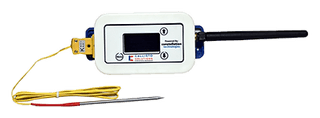
Cooldown Device
Probe in the batch: the 60 °C, 21 °C and 5 °C stages are time-stamped automatically.
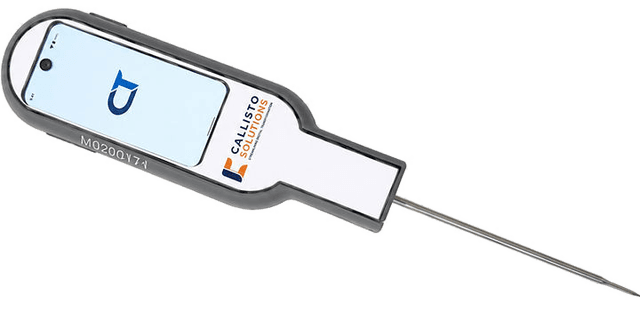
Mobile Handheld
Cooking, reheating and goods-in checks.
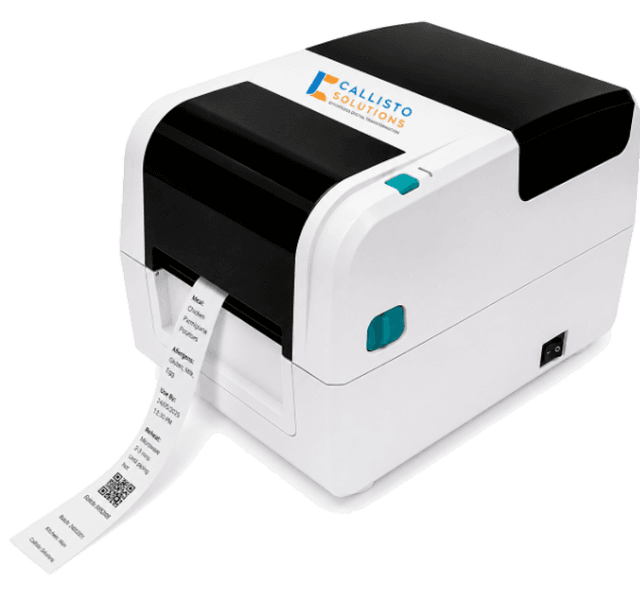
CT Label Printer
Batch, use-by and allergen labels.
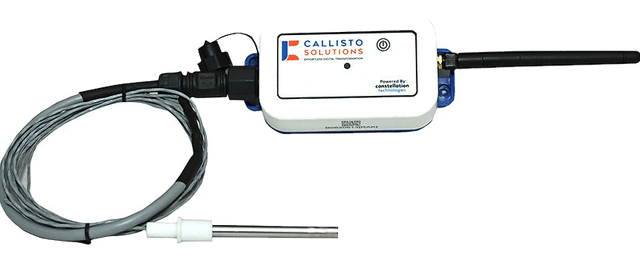
Standard Device B0
Blast chillers, cool rooms and freezers.
Regulations
The rules you work under.
The rules that usually apply in central production kitchens, and the records they ask for. MeridianCT captures those records as the work happens.
- Food Standards Code 3.2.2 (official source, opens in a new tab)
- Keep potentially hazardous food at 5 °C or colder, or 60 °C or hotter. Cool cooked food from 60 °C to 21 °C within 2 hours, then to 5 °C within a further 4 hours.
- Standard 3.2.2A (official source, opens in a new tab)
- Food safety management tools for food service, catering and related retail: a food safety supervisor, food handler training and, for category one businesses, records of key activities.
- HACCP
- Hazard Analysis and Critical Control Point: the internationally recognised way to identify food safety hazards and control them at the points that matter.
A plain-language summary, not legal advice. Rules differ by state and territory. MeridianCT keeps the records these rules ask for; your team and your regulator decide compliance.
Food Service
More in this group.
Contract caterers, central production kitchens, restaurants and workplace dining.
Book a demo
See it in your kitchen.
A short walkthrough of the live product, shaped around your kitchen, your workflows and the rules you work under.